
Turn attention into revenue
We combine EEG, eye-tracking, and UX analysis to reveal the real impact of your marketing and design helping you optimize every click, ad, and interaction.
Small changes in UX can mean big jumps in revenue!
Find out where to start!
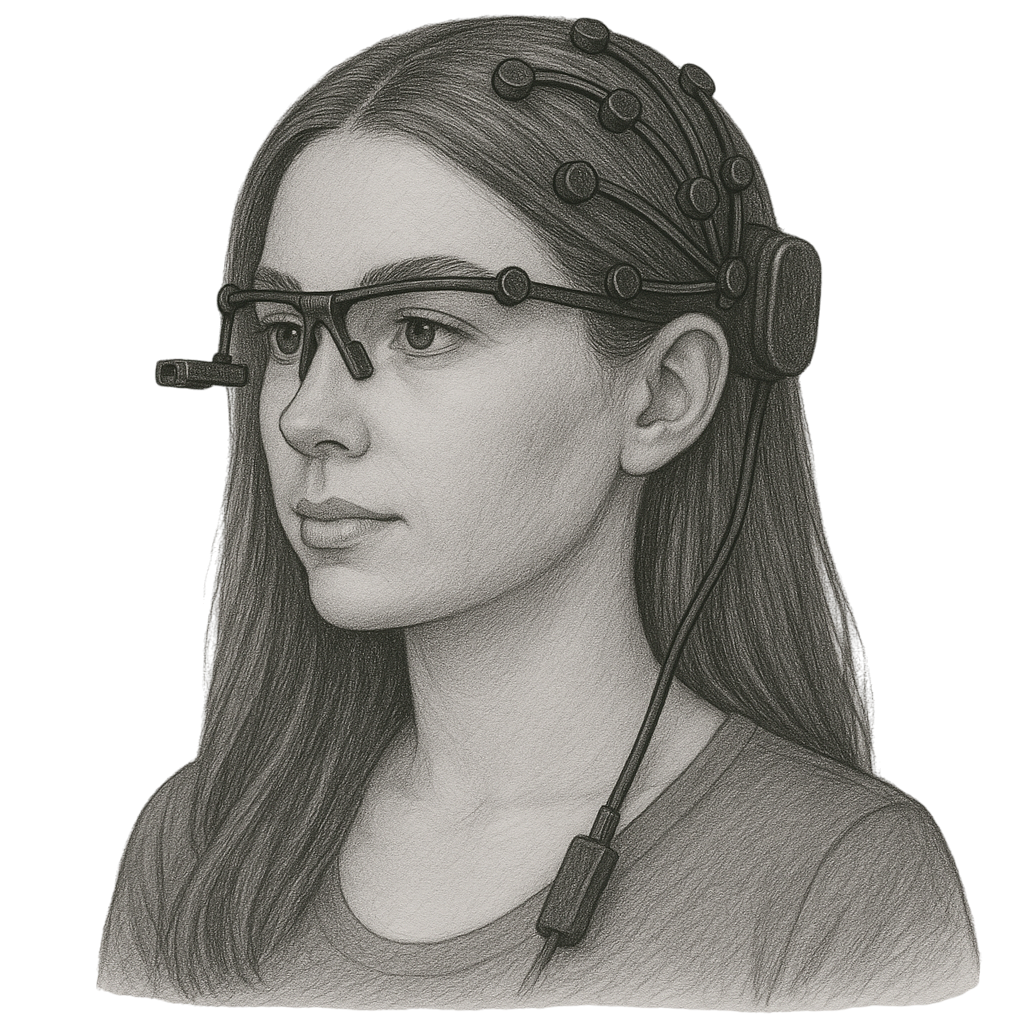
The method trusted by top-performing brands
From e-commerce leaders to innovative startups, neuroscience-based UX research uncovers what truly drives clicks, sales, and customer loyalty.







How it works?

Engage Your Audience
We present participants with your digital content – from ad creatives to complete webshop experiences.

Capture Every Reaction
Using EEG, we record brainwave activity, while eye-tracking maps visual focus and navigation paths.

Turn Insights into Sales
This shows exactly what draws attention, causes friction, and drives clicks, giving you a clear path to higher conversions.
You probably have some questions
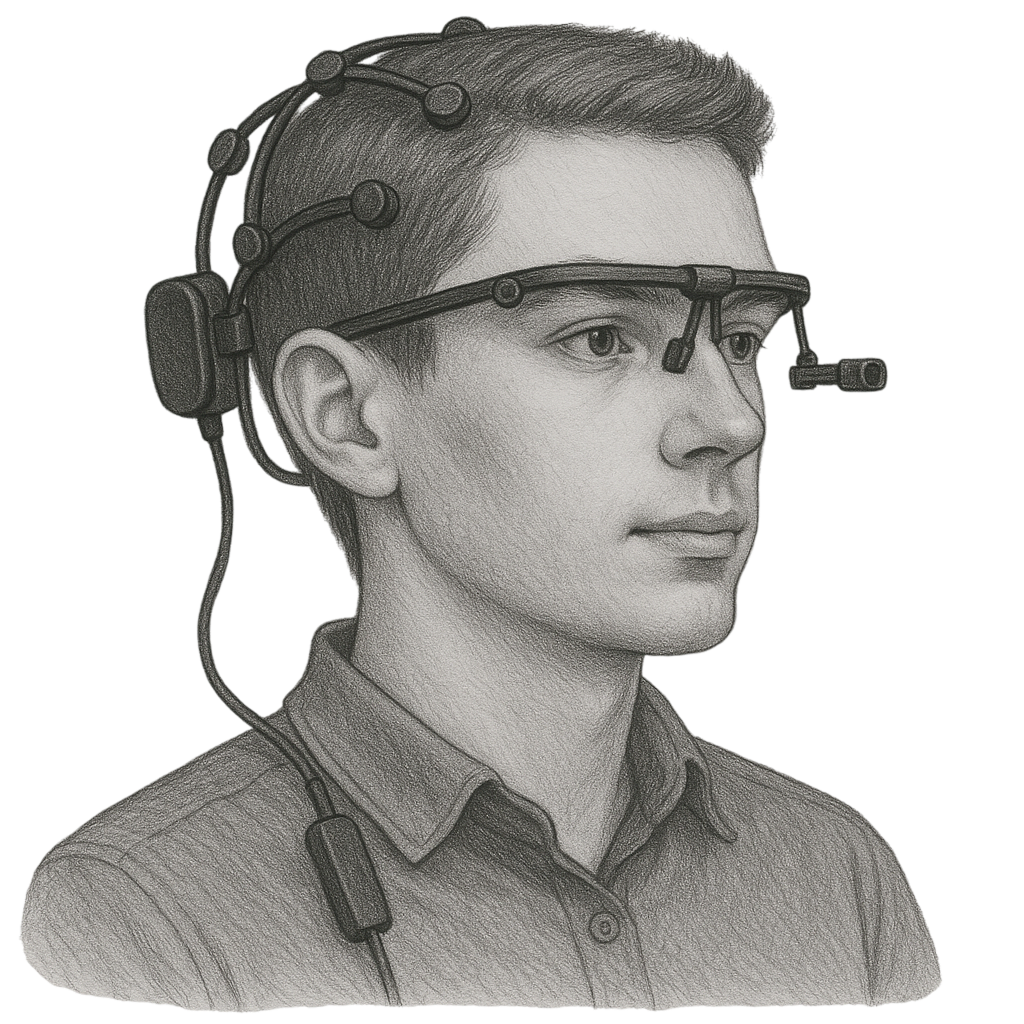
What is EEG and how is it used in this research?
EEG (electroencephalography) measures the brain’s electrical activity using sensors placed on the scalp. In our research, it is used to track brainwaves that reveal levels of attention, engagement, and emotional responses while interacting with ads or online stores.
Will the testing affect participants’ behavior?
No. The testing is non-invasive and completely safe. Participants naturally browse the content while the devices unobtrusively record their reactions. The goal is to capture real behavior without disrupting the user experience.
Can we test only an online store, or other materials as well?
We can test a wide range of content – from ads, banners, and promotional videos to complete online stores, mobile apps, or specific landing pages.
How long does the whole process take?
The duration depends on the scope of the testing. The actual testing takes about 30 minutes to an hour per participant, while the analysis and recommendations are usually delivered within 7–10 business days.
What added value does this research bring compared to traditional surveys or A/B testing?
EEG and eye-tracking provide insight into unconscious reactions that participants often can’t articulate. This way, we can detect micro-moments of attention, frustration, or confusion that remain hidden with traditional methods. The results are more precise and give clear guidelines for optimizing design and marketing campaigns.
How will this research help increase my sales?
By identifying exactly what captures attention, builds trust, and drives action — as well as what causes drop-offs — we provide clear, data-backed recommendations to optimize your ads, website, and customer journey. This leads to higher conversions and better ROI without increasing your ad spend.
Is this type of testing only for large companies?
Not at all. Our methods are scalable, making them just as valuable for small and medium-sized businesses as they are for global brands. Whether you have a single landing page or a complex eCommerce store, the insights can be tailored to your goals and budget.
How soon can I see results from the recommendations?
Many clients notice improvements within weeks of implementing changes, especially when addressing key friction points in design or messaging. The exact timeline depends on your development and marketing cycles, but data-driven adjustments tend to deliver faster impact than guesswork.
See what your competitors might already know
From Research to Results
Explore in-depth analyses, case studies, and measurable outcomes from real-world marketing and UX projects.
The 3 Mistakes Costing Online Pharmacies the Most Conversions
We recently completed a CRO audit of online pharmacy stores (homepages and product pages), analyzing everything from DOM structure and trust architecture to mobile tap targets and load performance. The full study runs to 114 documented findings. But if you’re a…
Your Site Logo Should Always Link to the Homepage
Most people don’t think about it, but clicking on a website’s logo is one of the easiest ways to get back to the homepage. This simple action has become a standard part of how we use the web. Whether you’re shopping, reading, or exploring, you expect the logo to…
Improve User Orientation with Smarter Navigation Design
In many direct‑to‑consumer (DTC) websites, users often arrive through search engines, social media links, or cross‑site referrals without following the main navigation path from the top. In those situations, traditional orientation aids like breadcrumbs may be absent,…
Stop Using Auto-Rotating Carousels on Mobile: Here’s Why
On mobile websites, the homepage is often the first thing people see, and it’s where many decide whether to stay or leave. But one common design feature can quickly push users away: the autorotating carousel. These carousels, sometimes called sliders or rotating…